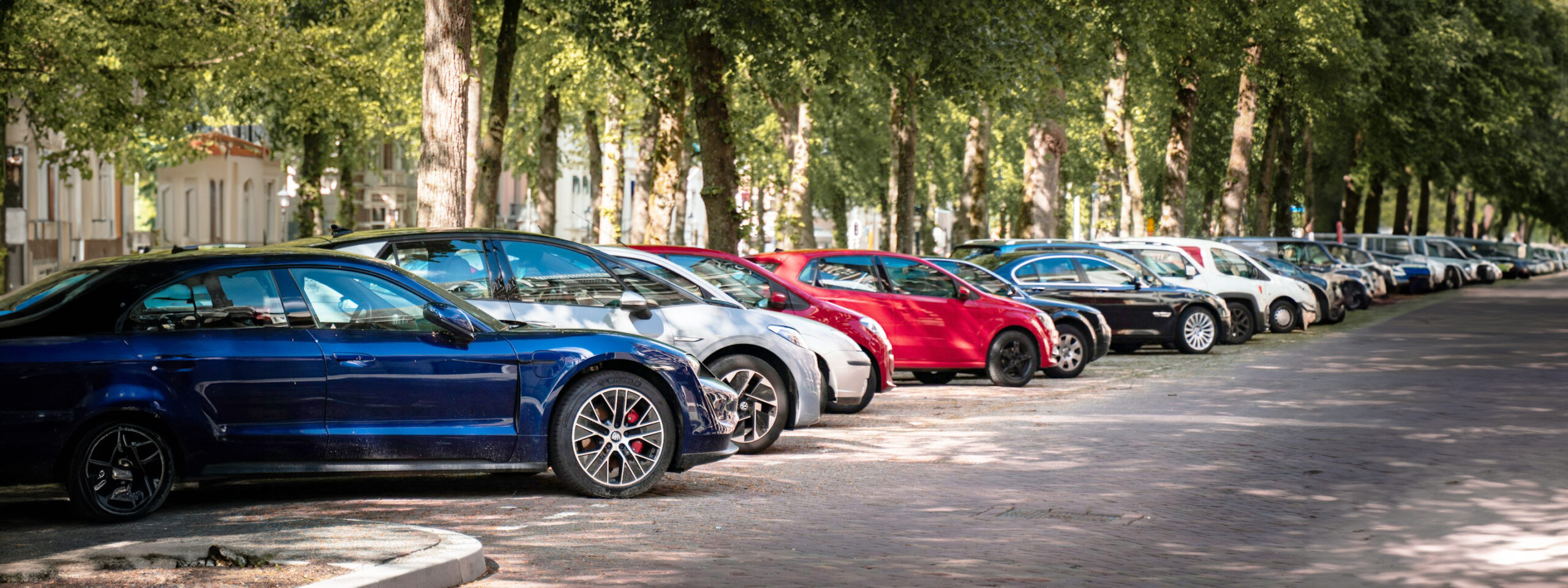
Finding a parking space in a busy neighborhood can feel like a small victory. But parking isn’t just about finding somewhere to leave your car. It’s also about sharing limited street space with neighbors, pedestrians, cyclists, delivery drivers and other motorists.
Good parking etiquette combines two things: following the law and being considerate of everyone who uses the street.
Some behaviors, such as blocking a driveway, can violate local parking regulations. Others, such as taking up unnecessary space along a crowded curb, may simply be inconsiderate.
Here are ten practical ways to park responsibly, avoid unnecessary conflicts and make shared streets easier for everyone to use.
1. Leave Enough Room for Other Vehicles
When parallel parking, consider how your vehicle’s position affects the available curb space.
Parking in the middle of an unusually long space may leave too little room for another vehicle to park in front of or behind you.
Whenever possible, position your vehicle so that other drivers can use the remaining legal parking space.
However, don’t squeeze into a space that requires blocking a driveway, crosswalk or another restricted area.
Good etiquette: Use curb space efficiently without compromising safety or violating parking regulations.
2. Never Block Someone’s Driveway
A driveway might appear unused, but that doesn’t mean you’re free to block it.
Even a partially obstructed driveway can make it difficult for residents to enter or exit their property.
Avoid assuming that a driveway is safe to block because the garage door is closed or no vehicles are visible.
Local regulations determine how close vehicles may park to driveway entrances.
For more information, read our guide to parking in front of a driveway .
Good etiquette: Respect driveway access, even when parking is scarce.
3. Respect Residential Neighborhoods
Residential streets are shared spaces. Residents, visitors, delivery drivers and commuters may all need access to the same limited curb space.
If you’re parking in a residential neighborhood, be mindful of nearby homes and any posted restrictions.
Avoid blocking access points, creating unnecessary noise late at night or leaving your vehicle where it interferes with others.
Remember that public street parking generally isn’t reserved for the homeowner whose property faces the curb unless an applicable restriction provides otherwise.
If you’re uncertain about the rules, our guide to parking in front of someone else’s house explains what drivers should know.
Good etiquette: Be considerate of residents without assuming that public parking spaces belong to individual households.
4. Don’t Treat Loading Zones as Personal Parking Spaces
Loading zones serve important purposes, including commercial deliveries and passenger pickup or drop-off.
Occupying a restricted loading zone can interfere with businesses, delivery schedules and other curb users.
Even if you expect to be gone for only a few minutes, don’t assume that briefly leaving your vehicle is permitted.
Loading-zone rules can depend on the type of zone, posted hours, vehicle activity and local regulations.
Read our guides to loading zone parking rules and passenger loading zones before using these areas.
Good etiquette: Leave designated curb space available for its intended users.
5. Give Pedestrians and Cyclists Room
A parking decision affects more than other drivers.
Vehicles parked too close to crosswalks or intersections can obstruct sightlines and make it harder for pedestrians and motorists to see one another.
Likewise, parking in a designated bicycle lane can force cyclists into moving traffic.
Before leaving your vehicle, check for nearby crosswalks, intersections, bicycle lanes and other areas that require clearance.
ParkClear’s guides to crosswalk parking rules and parking in a bike lane explain what drivers should consider.
When exiting your vehicle, check for approaching cyclists and other road users before opening your door.
Good etiquette: Think about how your parked vehicle affects people traveling outside cars.
6. Follow Time Limits Instead of Overstaying
Time-limited parking helps cities manage access to busy streets and commercial areas.
When a space has a posted time limit, plan your visit accordingly.
Don’t assume that moving your vehicle a few feet or feeding a meter will necessarily reset the permitted parking period. Rules vary by jurisdiction.
If you need to stay longer, look for a location where your intended parking duration is allowed.
ParkClear’s guide to 2-hour parking signs explains how posted time limits work.
You can also use ParkClear’s parking-expiration reminder to help keep track of your parking period.
Good etiquette: Respect posted time limits so other drivers have opportunities to use shared curb space.
7. Don’t Double-Park While Waiting
Double-parking may seem convenient when you’re waiting for someone or making a quick delivery.
But stopping alongside parked vehicles can obstruct traffic, interfere with cyclists and prevent other drivers from leaving their spaces.
Depending on local regulations and circumstances, double-parking can also result in a citation.
Instead, find a lawful stopping or loading location that accommodates your activity.
If you’re picking someone up, coordinate your arrival so they can meet you at an appropriate location.
Good etiquette: Avoid making your convenience another road user’s obstacle.
8. Respect Accessible Parking Spaces
Accessible parking spaces exist to provide access for people who qualify to use them.
Never occupy a designated accessible space without the authorization required by local law.
Also avoid obstructing adjacent access aisles, ramps or curb cuts. These areas can be essential for wheelchair users and others who need additional room to enter or exit vehicles.
Even when a space appears unused, its designated purpose remains important.
Good etiquette: Keep accessible spaces and access routes available to the people who need them.
9. Check Temporary Restrictions and Street-Cleaning Schedules
Responsible parking means considering what will happen while your vehicle is unattended.
A space that’s legal when you arrive may become restricted later because of street cleaning, construction or another temporary activity.
Before leaving your car, check the posted dates and times.
A temporary restriction may affect an otherwise legal space, and a street-cleaning restriction may remain in effect for the entire posted period even after the sweeper passes.
Our guide to temporary no parking signs explains what to look for.
Good etiquette: Check upcoming restrictions so your vehicle doesn’t interfere with scheduled street activities.
10. Read Every Sign Before Walking Away
One of the most considerate things you can do is make sure your vehicle is legally parked in the first place.
Parking signs can establish different rules for different days, hours, vehicle types and sections of curb.
A single pole may display multiple restrictions. Directional arrows can also affect where a particular rule applies.
Don’t rely solely on what other drivers are doing or what you remember from a previous visit.
If the signage looks complicated, read our guide to multiple parking signs on one pole and learn how parking sign arrows work .
Good etiquette: Make an informed parking decision rather than assuming an empty space is legal.
Parking Etiquette vs. Parking Laws: What’s the Difference?
Parking etiquette and parking regulations often overlap, but they aren’t interchangeable.
For example, leaving enough room for another vehicle may be considerate even where no specific rule dictates how to divide a long curb space.
Blocking a driveway, however, may violate local law.
Similarly, parking near a crosswalk, using an accessible space without authorization or ignoring a posted No Parking restriction can have legal consequences.
Good parking habits begin with following applicable laws. Considerate behavior goes a step further by thinking about how your choices affect other people.
If you want to understand the restrictions that commonly result in citations, explore our guide to common parking violations .
How ParkClear Helps You Park More Responsibly
Even considerate drivers can struggle with complicated parking signs.
A street may have different rules depending on the day, time, location, permit requirements or temporary restrictions.
ParkClear helps drivers interpret municipal street-parking regulations using location information and parking-sign analysis.
With the ParkClear parking sign scanner , you can photograph confusing signs and get help determining whether parking is permitted at your location.
You can also check parking rules for a future date and time and set parking-expiration reminders.
ParkClear doesn’t identify vacant parking spaces or provide turn-by-turn navigation. Its focus is helping drivers understand the rules governing the spaces they encounter.
A Little Consideration Goes a Long Way
Good parking etiquette doesn’t require complicated rules or extraordinary effort.
It starts with simple habits: respect driveways, leave room for others, protect pedestrian and cyclist access, follow posted restrictions and consider how your vehicle affects the surrounding street.
Before walking away, take a moment to check both the legality of your parking space and its impact on other people.
That small habit can make shared streets more convenient for everyone.
Confused about whether you can park? Download ParkClear to scan parking signs or use your location to get a clear Yes or No answer to “Can I park here?”
Parking regulations vary by jurisdiction. Always follow posted signs and applicable local laws, and check official local rules when necessary.