
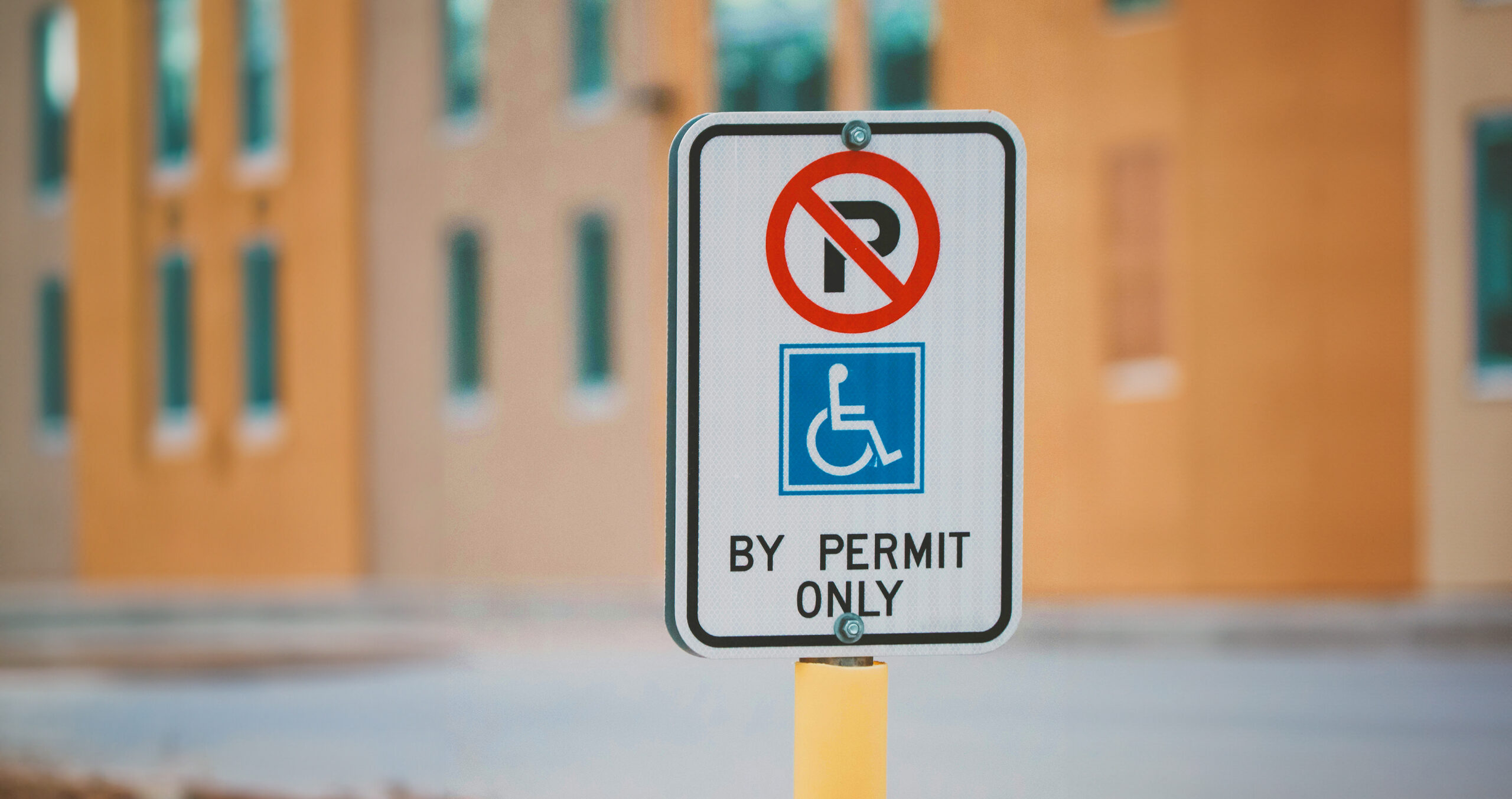
Do you need a parking permit to park on a residential street in Los Angeles? The answer depends on where you’re parking, the time of day and the restrictions posted on the street.
Not every Los Angeles neighborhood requires a parking permit. However, certain residential areas have special parking districts designed to manage demand and limit nonresident parking.
Whether you’re a resident, a visitor or someone parking overnight, understanding these rules can help you avoid an unexpected citation.
Here’s how Los Angeles parking permits work, who needs them and how to apply.
1. When Do You Need a Parking Permit in Los Angeles?
You generally need a permit when parking in a designated district during hours when permit restrictions apply.
The City of Los Angeles operates several permit programs, including Preferential Parking Districts, Overnight Parking Districts and Oversize Vehicle Restricted Areas.
These districts are identified through posted parking signs.
For example, a residential street might allow general parking during the day but restrict parking to permit holders during certain evening hours.
Another street may require a permit throughout a longer period.
Always check the signs on the specific block where you intend to park. If you’re unsure how several signs work together, read our guide to multiple parking signs .
2. What Is a Preferential Parking District?
A Preferential Parking District, or PPD, is a designated area where parking restrictions limit vehicles without the appropriate permits.
These districts are intended to reduce the impact of nonresident parking in neighborhoods experiencing high parking demand.
Residents who qualify may purchase permits for their vehicles and obtain visitor or guest permits.
However, a preferential parking permit does not give its holder exclusive ownership of a parking space or guarantee that a space will be available.
It simply provides an exemption from the applicable preferential parking restrictions within the permit’s authorized area.
3. What Types of Los Angeles Parking Permits Are Available?
Los Angeles offers several permit types to accommodate different parking needs.
Annual Residential Permits
Annual permits are intended for qualifying residents whose vehicles are registered to an address within the designated parking district.
They generally allow the permitted vehicle to park on streets within its assigned district where the applicable preferential or overnight permit restrictions are posted.
LADOT currently lists annual preferential permits at $34 each, with a maximum of three per household.
Visitor Permits
Visitor permits allow qualifying residents to accommodate visitors or eligible household vehicles.
They are valid for four months.
In a Preferential Parking District, a visitor permit is generally limited to the specific street segment identified on the permit.
LADOT currently lists preferential visitor permits at $22.50 each, with a maximum of two per household.
One-Day Guest Permits
One-day guest permits are intended for temporary visitors.
They are useful when friends, relatives or other guests need to park during restricted hours.
LADOT currently lists preferential guest permits at $2.50 each, with a daily maximum of 25 per household.
These prices and limits are subject to change. Confirm current fees before purchasing.
4. How Do Overnight Parking Permits Work?
Some Los Angeles neighborhoods have Overnight Parking Districts that restrict parking by vehicles without permits between 2 AM and 6 AM.
Residents within these districts may qualify for annual, visitor or daily guest permits.
An overnight permit provides an exemption from the district’s posted overnight restrictions within its authorized area.
It does not override other parking regulations, including street cleaning, red curbs or temporary restrictions.
For more information about time-dependent regulations, read our guide to overnight parking rules .
5. How Much Do Los Angeles Parking Permits Cost?
The following are LADOT’s published fees for common residential parking permits as of September 2026.
|
Permit type |
Published fee |
|---|---|
|
Annual preferential permit |
$34 |
|
Four-month preferential visitor permit |
$22.50 |
|
One-day preferential guest permit |
$2.50 |
|
Annual overnight permit |
$15 |
|
Four-month overnight visitor permit |
$10 |
|
One-day overnight guest permit |
$1 |
Permit prices, eligibility requirements and household limits may change. For the latest information, visit LADOT’s official parking website at ladotparking.org and select Permits.
6. How to Apply for a Los Angeles Residential Parking Permit
Residents can apply through LADOT’s parking-permit program.
Depending on the permit type and individual circumstances, applications may be completed online or at a designated public service center.
Applicants generally need to provide proof that they live within the relevant parking district.
For an annual permit, required documentation typically includes current vehicle registration, photo identification and two proofs of residency.
Acceptable residency documents may include a rental agreement, property tax bill or qualifying utility statement.
The vehicle generally must be registered to the resident at an address within the district.
If you’ve recently moved and haven’t updated your vehicle registration, ask LADOT whether a temporary visitor permit is appropriate while your registration is being updated.
Visit ladotparking.org and select Permits for current application instructions.
7. Do Visitors Need a Parking Permit?
Visitors need a permit when they park within a permit-restricted district during hours when the restriction applies, unless an applicable exemption exists.
If you’re visiting a friend or family member who lives in a Preferential Parking District, ask whether the household has an available visitor permit or can obtain a daily guest permit.
Check the permit’s authorized location, validity period and display requirements.
A visitor permit issued for one street segment may not authorize parking elsewhere in the neighborhood.
If you’re unfamiliar with the area, check how to read parking signs before leaving your vehicle.
8. Does a Residential Parking Permit Exempt You From Street Sweeping?
No. A residential parking permit does not exempt a vehicle from street-sweeping restrictions.
You must still comply with all other applicable parking regulations, including:
-
Street-cleaning restrictions.
-
Red curbs and other restricted curb zones.
-
Driveway and fire-hydrant restrictions.
-
Temporary No Parking signs.
-
Applicable rush-hour restrictions.
For example, a resident with a valid permit may still receive a citation for parking during posted street-cleaning hours.
Review our guide to parking during street sweeping to understand why these restrictions remain important.
9. Can You Park in a Permit District Without a Permit?
Possibly, depending on the posted restrictions.
Some preferential parking regulations apply only during particular days or hours.
Outside those periods, general parking may be permitted, provided no other restrictions apply.
Other locations may have additional time limits, street-cleaning schedules or overnight regulations.
Never assume that parking is unrestricted simply because you don’t see a permit restriction on the nearest sign.
Check every sign affecting your space, including parking sign arrows that indicate where restrictions begin or end.
10. Are Disabled Parking Placards Exempt From Permit Requirements?
Vehicles displaying a valid disabled parking placard or license plate, when used in accordance with California law, are generally exempt from preferential parking restrictions.
However, disabled parking privileges do not exempt drivers from every parking regulation.
No Parking zones, No Stopping zones and street-cleaning restrictions may still apply.
Drivers should always review the applicable signs and California’s disabled parking requirements.
11. What Happens if You Park Without a Required Permit?
Parking in a restricted district without a valid permit can result in a citation.
The exact fine depends on the applicable violation and current municipal penalty schedule.
If you receive a ticket, review the citation carefully and confirm the issuing agency.
For payment deadlines, contesting procedures and other important information, see our guide to Los Angeles parking tickets .
12. How ParkClear Helps With Residential Parking Rules
Residential parking restrictions can be confusing, particularly when several regulations appear on the same signpost.
A street might require a permit during certain hours, allow general parking at other times and prohibit parking during scheduled street cleaning.
ParkClear helps drivers interpret municipal street-parking regulations through parking-sign scanning and location-based information.
Drivers can also check future dates and times and set parking-expiration reminders.
ParkClear does not issue parking permits, reserve parking spaces or replace official city regulations.
Instead, it helps drivers answer an essential question before walking away from their vehicle: Can I park here?
Check the Signs Before You Park
Los Angeles parking permits are location-specific and depend on the regulations established for each district.
If you live in a permit district, confirm which permit type you need, where it is valid and when it expires.
If you’re visiting, check whether the posted restrictions apply during your intended parking period and whether a visitor or guest permit is required.
And remember: even with a valid permit, street-cleaning and other parking restrictions still apply.
Confused about whether you can park? Download ParkClear to scan parking signs or use your location to get a clear Yes or No answer to “Can I park here?”
Parking regulations vary by jurisdiction. Always follow posted signs and applicable local laws, and check official local rules when necessary.



2 Comments