
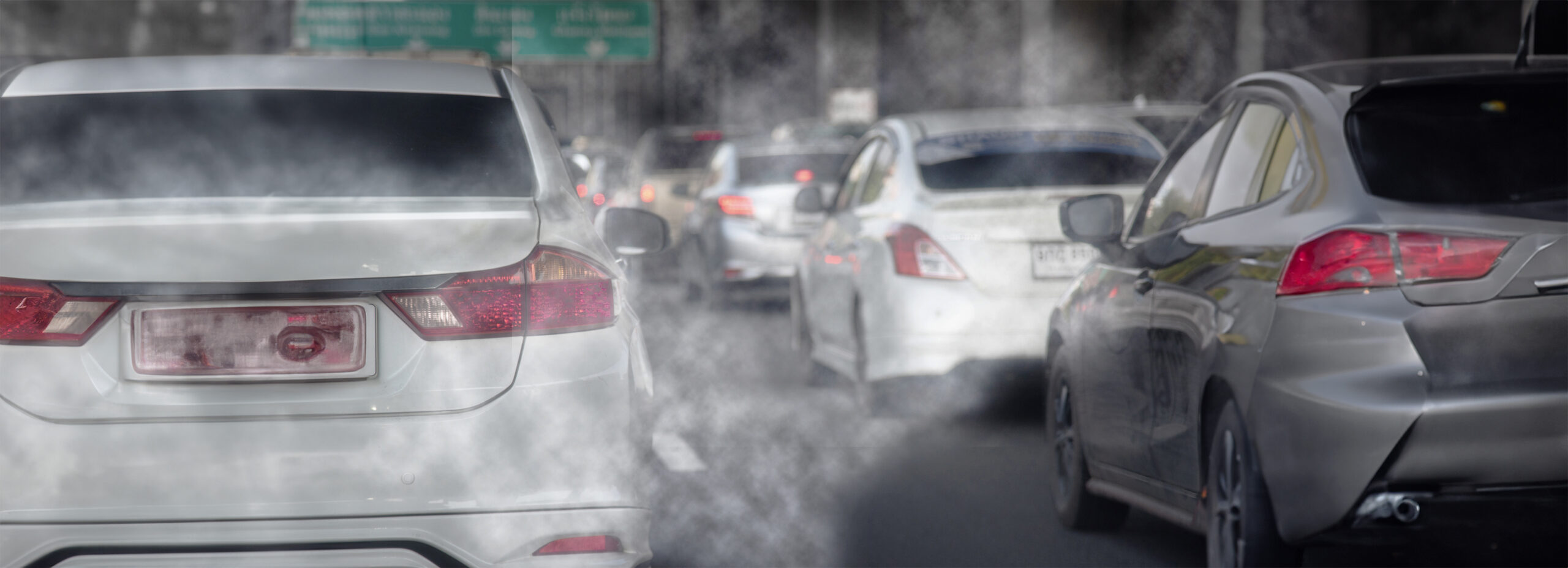
As urban areas continue to grow and evolve, the reliance on vehicles for transportation remains a significant aspect of city life. While driving offers convenience and accessibility, it also comes with a range of environmental impacts that can affect air quality, climate change, and overall urban sustainability. At ParkClear, we are committed to raising awareness about these issues and promoting solutions that can help mitigate the negative effects of urban driving. In this blog post, we will explore five key environmental impacts associated with urban driving and discuss how we can work together to create a more sustainable future.
1. Air Pollution
One of the most immediate and concerning impacts of urban driving is air pollution. Vehicles emit a variety of harmful pollutants, including nitrogen oxides (NOx), carbon monoxide (CO), particulate matter (PM), and volatile organic compounds (VOCs). These pollutants can contribute to respiratory problems, cardiovascular diseases, and other health issues for city residents.
The Impact on Health and Environment
- Health Risks: Exposure to air pollution is linked to a range of health problems, including asthma, bronchitis, and other respiratory conditions. Vulnerable populations, such as children and the elderly, are particularly at risk.
- Environmental Degradation: Air pollution can also harm ecosystems, affecting plant and animal life. Acid rain, caused by the deposition of nitrogen and sulfur compounds, can damage forests, lakes, and soil.
Solutions
To combat air pollution, cities can promote public transportation, encourage carpooling, and invest in electric vehicle infrastructure. By using ParkClear to find convenient parking, drivers can reduce the time spent idling in traffic, further decreasing emissions.
2. Greenhouse Gas Emissions
Urban driving is a significant contributor to greenhouse gas emissions, particularly carbon dioxide (CO2). The transportation sector accounts for a substantial portion of global CO2 emissions, and personal vehicles are a major source of these emissions in urban areas.
The Impact on Climate Change
- Global Warming: Increased greenhouse gas emissions contribute to climate change, leading to rising temperatures, extreme weather events, and disruptions to ecosystems.
- Urban Heat Islands: The concentration of vehicles and infrastructure in cities can create “urban heat islands,” where temperatures are significantly higher than in surrounding rural areas.
Solutions
Encouraging the use of public transportation, biking, and walking can help reduce greenhouse gas emissions. Additionally, promoting electric and hybrid vehicles can further decrease the carbon footprint of urban driving. ParkClear can assist users in finding parking for electric vehicles, making it easier to adopt greener transportation options.
3. Traffic Congestion
Traffic congestion is a common issue in urban areas, leading to longer commute times, increased fuel consumption, and higher emissions. As more vehicles crowd the roads, the efficiency of transportation systems declines, exacerbating the environmental impacts of driving.
The Impact on Urban Life
- Wasted Resources: Congestion leads to wasted fuel and increased emissions, as vehicles spend more time idling in traffic. This not only affects air quality but also contributes to higher fuel costs for drivers.
- Economic Costs: Traffic congestion can have economic implications, including lost productivity and increased transportation costs for businesses.
Solutions
Implementing smart traffic management systems and optimizing parking solutions can help alleviate congestion. By using ParkClear to find available parking spots quickly, drivers can reduce the time spent searching for parking and minimize their environmental impact.
4. Noise Pollution
Urban driving contributes to noise pollution, which can have detrimental effects on both human health and wildlife. The constant sound of traffic can disrupt daily life, leading to stress and decreased quality of life for city residents.
The Impact on Health and Wildlife
- Health Effects: Prolonged exposure to noise pollution is linked to various health issues, including sleep disturbances, increased stress levels, and cardiovascular problems.
- Wildlife Disruption: Noise pollution can interfere with the natural behaviors of wildlife, affecting communication, mating, and feeding patterns.
Solutions
Encouraging quieter transportation options, such as electric vehicles and public transit, can help reduce noise pollution. Additionally, urban planning that incorporates green spaces and sound barriers can mitigate the effects of traffic noise.
5. Urban Heat Islands
The phenomenon of urban heat islands occurs when urban areas experience significantly higher temperatures than their rural surroundings. This effect is exacerbated by the concentration of vehicles, buildings, and asphalt, which absorb and retain heat.
The Impact on Urban Environments
- Increased Energy Demand: Higher temperatures in urban areas lead to increased energy consumption for cooling, resulting in higher greenhouse gas emissions from power plants.
- Health Risks: Elevated temperatures can pose health risks, particularly during heatwaves, leading to heat-related illnesses and increased mortality rates.
Solutions
To combat urban heat islands, cities can invest in green infrastructure, such as parks, green roofs, and tree canopies, which help cool the environment. Promoting sustainable transportation options, including biking and walking, can also reduce the number of vehicles on the road, helping to lower temperatures.
The environmental impacts of urban driving
Are significant and multifaceted, affecting air quality, climate change, and overall urban sustainability. By raising awareness of these issues and promoting solutions that encourage more sustainable transportation options, we can work together to create healthier, more livable cities.
At ParkClear, we are committed to helping urban drivers navigate parking challenges while minimizing their environmental impact. By using our platform to find convenient parking solutions, drivers can reduce their time spent on the road, lower emissions, and contribute to a cleaner, greener urban environment. Together, we can make a positive difference for our cities and the planet.